
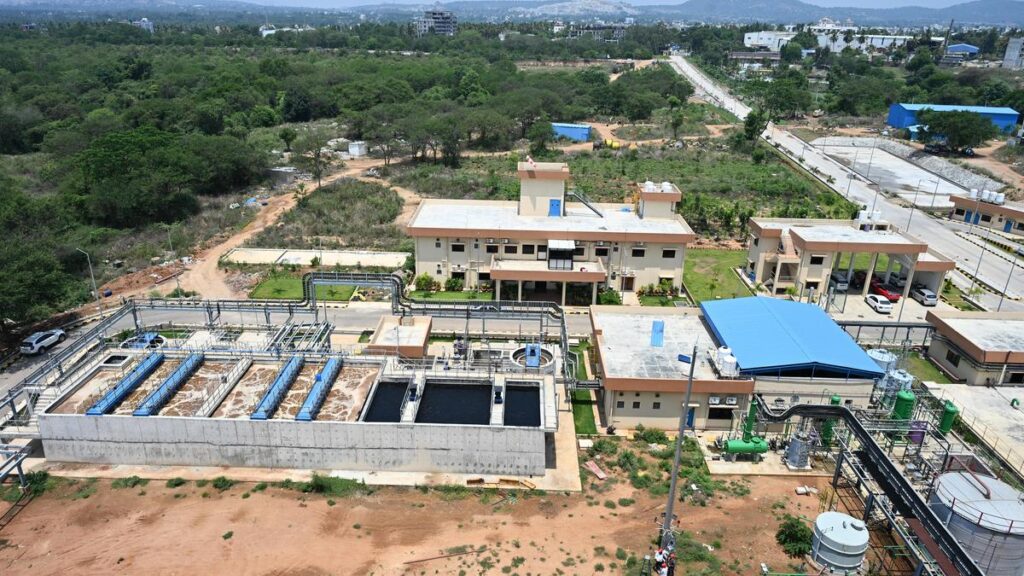
Of the total RDF generated daily, around 100 to 150 metric tonnes are being transported to a waste-to-energy plant near Bidadi. Credit: The Hindu
Bengaluru generates 350–400 tonne RDF daily in GBA limits
Bengaluru
The Greater Bengaluru Authority (GBA) area is generating between 350 and 400 metric tonnes of low-value plastic waste, known as Refuse Derived Fuel (RDF), every day, according to Bengaluru Solid Waste Management Limited (BSWML) CEO Kareegowda.
The increase in RDF collection has been attributed to intensified Information, Education and Communication (IEC) programmes undertaken by BSWML to create public awareness on source-level waste segregation. These initiatives have led to improved segregation of waste at the source, marking a significant step forward in the city’s solid waste management efforts.
Of the total RDF generated daily, around 100 to 150 metric tonnes are being transported to a waste-to-energy plant near Bidadi. In addition, BSWML has entered into an agreement to send 200 to 250 metric tonnes of RDF to Dalmia Cement Limited’s unit in Kadapa district of neighbouring Andhra Pradesh.
On the first day of transportation, December 15, a total of 160 metric tonnes of RDF was dispatched to the Dalmia Cement facility. As per the agreement, Dalmia Cement Limited has committed to accepting up to 1,000 metric tonnes of RDF per day.
Under the arrangement, the cement manufacturer will provide Extended Producer Responsibility (EPR) credits generated through the process to BSWML. This is expected to offer financial benefits to the city’s solid waste management agency, officials said.