
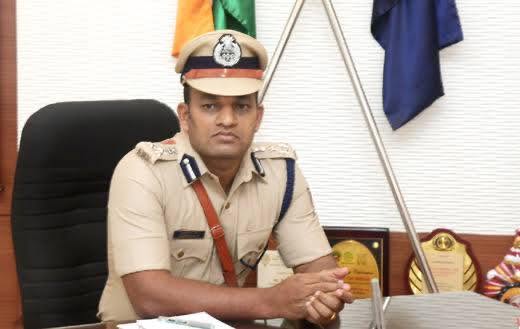
IPS N Shashikumar
Sowjanya SIT may fail without a proper investigative trail
Bengaluru
The Special Investigation Team (SIT) constituted to conduct a fresh investigation into the 2012 rape and murder of Sowjanya risks failing to identify and bring the actual perpetrators to justice if investigators do not establish a clear, evidence-based trail in the 14-year-old case, according to a highly placed source in the Karnataka Home Department.
The source expressed concern that the SIT, despite being constituted following the Supreme Court’s direction for a de novo investigation, has yet to make a breakthrough and is still examining the available material to identify leads that could help investigators move forward.
The Supreme Court, on September 21, 2026, ordered a de novo investigation into the case while hearing a special leave petition filed by Sowjanya’s mother, Kusumavati Gowda. Following the apex court’s directions, the Karnataka government constituted an SIT headed by Inspector General of Police (IGP) N. Shashikumar to conduct the fresh probe.
However, Shashikumar’s appointment has itself attracted criticism over allegations concerning impropriety in his IPS service. Despite the objections raised against his appointment, the state government proceeded with him as the head of the investigation team.
A highly placed Home Department source, who said, had examined the case files in strict confidence, stressed that identifying the correct investigative trail would be crucial to establishing the truth and identifying the perpetrators.
“Following the right trail would lead to the arrest of the real culprits in the case. But the SIT that has been formed by the State does not appear to have made any breakthrough so far,” the source said.
The source clarified that he is not currently part of the SIT and is not involved in its investigation. The assessment, therefore, comes from someone who has examined the case files but is not directly participating in the ongoing probe.
According to the source, the SIT is presently studying the available records and other material to identify a viable investigative trail. However, the exercise has yet to yield a breakthrough that could provide investigators with a clear direction.
The source emphasised that the age of the case makes a systematic, evidence-based investigation indispensable. With 14 years having elapsed since the crime, investigators would need to carefully examine the available material, establish connections between the evidence and the persons under investigation, and pursue leads capable of withstanding legal scrutiny.
In a case of this nature, merely revisiting old records would not be sufficient, the source indicated. The investigation would have to move beyond the examination of documents and establish a coherent chain of evidence that could help investigators identify the people responsible for the crime.
The source also expressed concern over the pressure allegedly being exerted on the government to retain Shashikumar as the SIT chief. The source raised the possibility of facts being manipulated or suppressed, although no specific instance of such interference was identified in the account provided.
However, the source maintained that the more immediate concern was the absence of a clearly established investigative trail. Without credible leads and a systematic approach to connecting the available evidence, the SIT could struggle to achieve the objective for which it was constituted.
The source warned that a lack of substantial progress could eventually force the SIT to seek additional time to complete the investigation. The Supreme Court has set a three-month deadline for the submission of the investigation report, placing the team under considerable time pressure to examine the material and pursue promising leads.
If the SIT fails to establish a viable trail within the stipulated period, it could face the prospect of requesting an extension, the source said. Such a development would underline the challenges involved in reopening a case that has remained contentious for years and in which the fresh investigation is expected to address questions that have persisted over time.
The source further suggested that concerns over Shashikumar’s appointment, coupled with the possibility of the investigation failing to make meaningful progress, could eventually prompt the government to reconsider the composition of the team.
According to the source, the investigation would benefit from officers with the necessary investigative expertise, a sound understanding of the case and the ability to use sophisticated technology to examine the available evidence and develop fresh leads.