
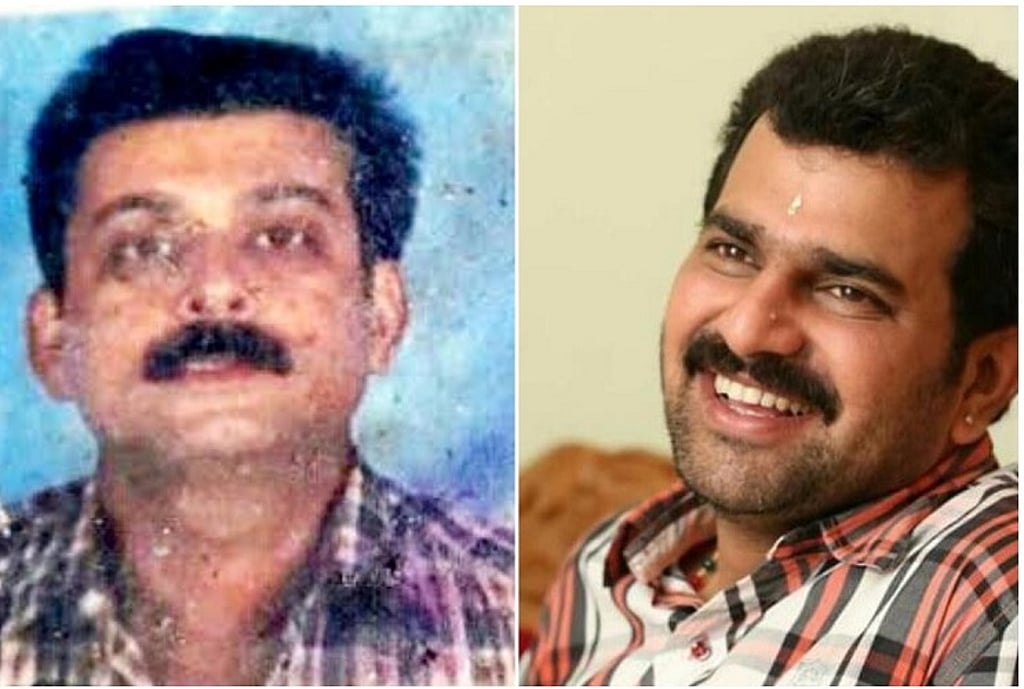
₹26-Crore temple renovation fund Under cloud: Did Vinayaka Baliga’s audit battle lead to a murder conspiracy?
Mangaluru
The 2012 renovation of the historic Venkataramana Temple in Mangaluru and the accompanying programme for the purification of the deities are now emerging as a crucial backdrop to the allegations and disputes that preceded the murder of RTI activist Vinayaka Baliga.
The renovation and related religious programmes, organised by the trustees of the shrine, were estimated to cost around ₹15 crore. However, the total donations received from devotees allegedly exceeded ₹26 crore, according to sources and information contained in court records accessed by Blrpost.com
A substantial portion of the donations was reportedly received in cash and gold offerings. Serious questions were subsequently raised over the manner in which these contributions were handled.
According to the allegations raised by Baliga, the then managing trustee, C.L. Shenoy, allegedly kept funds received as donations in the temple’s locker on Car Street in Mangaluru instead of depositing the entire amount in the temple’s official bank account.
Baliga strongly objected to this practice and is said to have directly questioned Shenoy over the handling of the donations. Court records accessed by this website also refer to allegations made by Baliga that certain individuals, including Jagannath Kamath, were allegedly being given unauthorised access to the funds.
Following the completion of the renovation, Baliga demanded a proper and transparent audit of the temple accounts. Jagannath Kamath was associated with the audit process. However, the audit was allegedly delayed, with concerns raised over whether the accounts maintained by the temple authorities were proper and complete.
There were also allegations that multiple bills had been generated for the same work, potentially resulting in wrongful payments. Questions were further raised about possible irregularities and alleged gratification in the procurement of materials for the renovation.
As an auditor, Kamath was expected to examine the accounts, raise objections wherever necessary and place any discrepancies before the appropriate authorities. Instead, Baliga and other critics alleged that the audit process was deliberately delayed and that the irregularities were not transparently brought before the devotees.
At one stage, the temple authorities reportedly announced that the audit had been completed and that the report had been submitted to the authorities. However, copies of the audit report were allegedly not made available to those seeking them, including Baliga.
One of Baliga’s key objections reportedly related to multiple payments made to the temple’s official photographer. The issue, according to his supporters, required a clear explanation either from the temple authorities or the auditor. Instead, they alleged that crucial details were withheld from devotees.
The controversy eventually reached the court, following which the matter was referred to the Lok Adalat. The dispute was deliberated upon by conciliators, including C.M. Joshi, then Additional District Judge, Mangaluru, and senior advocate M.V. Shankar Bhat.
The Lok Adalat ultimately decided that the temple accounts should undergo a re-audit. Nitin Shetty was appointed to conduct the fresh audit.
The proposed re-audit was significant because a detailed examination of the accounts could potentially have brought to light any financial irregularities, fixed accountability and triggered further legal action if evidence of wrongdoing had emerged.
However, the re-audit process did not reach a conclusion before Baliga was murdered.
The sequence of events — Baliga’s persistent demands for transparency, his allegations concerning the handling of temple funds, the disputed audit process and the eventual decision to order a re-audit — has continued to raise questions about whether his efforts to expose alleged financial irregularities could have provided a motive for eliminating him.
This angle, according to those familiar with the allegations, did not receive adequate examination during the trial in the sensational Vinayaka Baliga murder case.
The unanswered question remains: Did Vinayaka Baliga’s relentless pursuit of the truth behind the alleged ₹26-crore temple fund irregularities hold the key to a deeper conspiracy behind his murder?